

Blog
What is Throat Coat Tea?

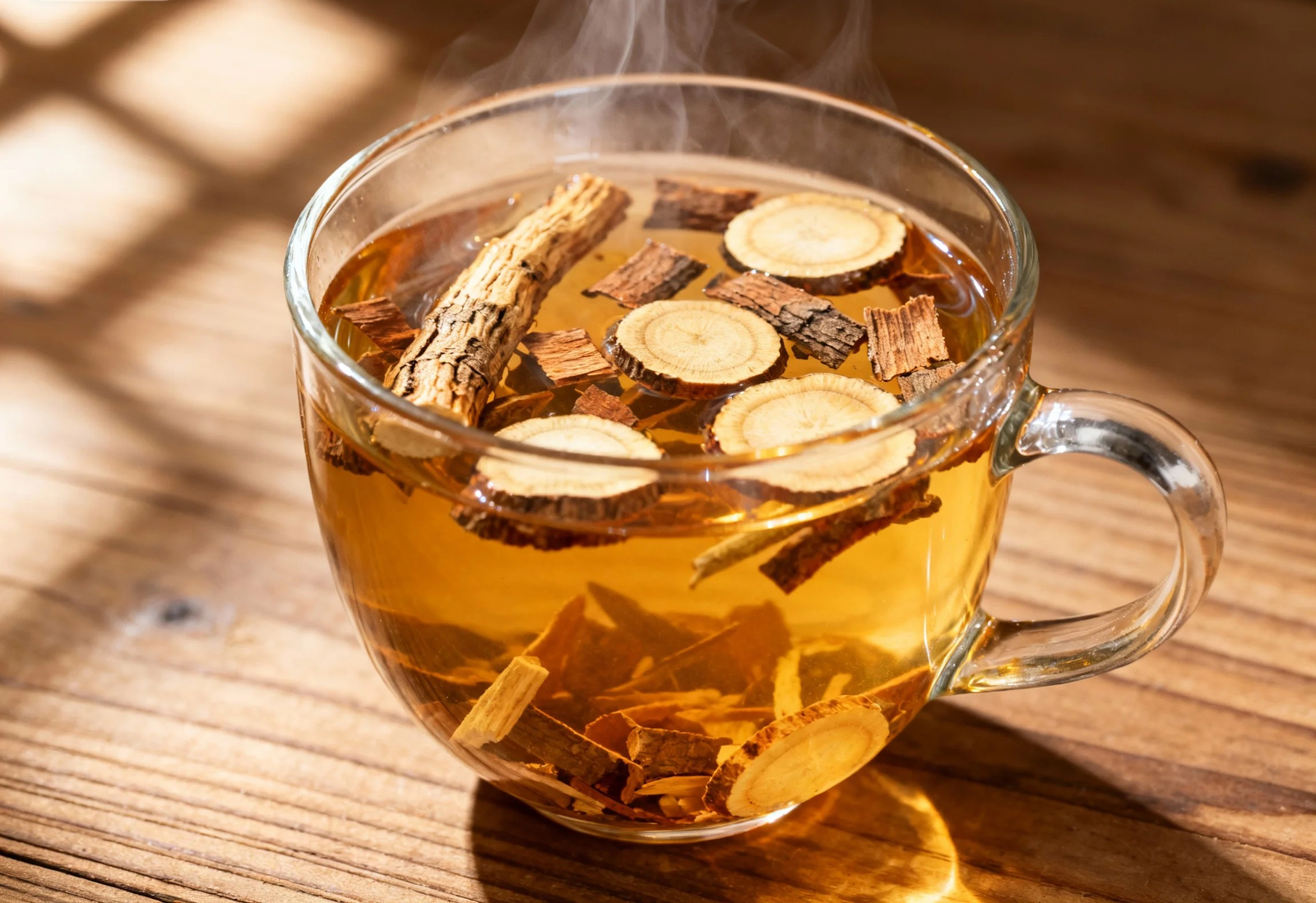
Throat coat tea refers to a category of herbal teas formulated to soothe irritated or sore throats. Popular blends often include licorice root, slippery elm, marshmallow root, fennel, and other demulcent or anti-inflammatory herbs.
These ingredients create a protective, soothing film over mucous membranes, reducing scratchiness and coughing while supporting comfort during colds, allergies, or voice strain.
Table of Contents
Common Ingredients and How They Work
- Licorice root (Glycyrrhiza glabra): Naturally sweet with mild anti-inflammatory and antiviral properties. It helps reduce throat irritation but should be used cautiously by people with high blood pressure or those on certain medications.
- Slippery elm (Ulmus rubra): A demulcent rich in mucilage that forms a slippery coating on the throat, providing immediate soothing relief.
- Marshmallow root (Althaea officinalis): Another mucilage-rich herb that hydrates and coats irritated tissues.
- Fennel and anise: Mildly antispasmodic and carminative; they can calm cough reflexes and improve taste.
- Licorice substitutes and additions: Some blends use manuka honey, ginger, or chamomile for extra antimicrobial or calming effects.
Benefits Backed by Tradition and Science
Although rigorous clinical trials are limited, traditional use and several laboratory studies support the soothing effects of demulcent herbs. Key benefits include:
- Immediate symptomatic relief: Mucilage-forming herbs coat the throat, reducing friction and the urge to cough.
- Reduced inflammation: Certain constituents in licorice and ginger exhibit anti-inflammatory activity.
- Complementary support: Antimicrobial herbs (e.g., manuka honey, licorice) may help reduce pathogen load when used alongside conventional care.
Throat coat tea should be viewed as symptomatic relief rather than a cure for bacterial infections—seek medical care if symptoms are severe, persistent, or accompanied by high fever.
How to Brew for Maximum Effect
To get the most soothing effect from throat coat tea, follow these tips:
- Use fresh, filtered water brought to a near-boil (about 95°C / 203°F) for roots and barks so active compounds and mucilage are properly released.
- If the mixture contains primarily roots (slippery elm, marshmallow, licorice), use a longer steep: 10–15 minutes, covered to keep volatile oils and steam.
- Add a teaspoon of honey after steeping (if not for children under 1 year) to enhance taste and add additional antimicrobial properties.
- Sip slowly and warm — letting the tea coat the throat improves relief compared to sipping quickly.
Safety, Interactions, and Who Should Be Cautious
While throat coat teas are generally safe for most people, there are important caveats:
- Licorice root can raise blood pressure and interact with diuretics, ACE inhibitors, and other medications. Avoid long-term or high-dose use if you have hypertension, heart disease, or low potassium.
- Pregnant or breastfeeding women should consult a clinician before using certain herbs.
- Children: Some herbs and honey are not appropriate for infants; use pediatric-safe formulations and consult a pediatrician.
- Allergies: People with known allergies to any component (e.g., marshmallow family) should avoid use.
- Autoimmune or immune-suppressing conditions: Discuss herbal use with a healthcare provider.
When in doubt, tell your clinician about herbal teas you use so they can assess interactions with prescribed drugs.
When to See a Doctor
Use throat coat tea for mild to moderate sore throat relief. Seek prompt medical care if you experience:
- High fever, severe pain, or difficulty breathing/swallowing
- Symptoms lasting more than 7–10 days or worsening despite home care
- White patches on tonsils, swollen lymph nodes, or sudden onset severe sore throat — these may indicate bacterial infection needing antibiotics
Homemade Throat Coat Blend (Simple Recipe)
- 1 part slippery elm powder or cut root
- 1 part marshmallow root
- 1/2 part licorice root (or omit if contraindicated)
- 1/4 part fennel seeds or anise
Combine and store in an airtight jar. Use 1–2 teaspoons per cup, steep 10–15 minutes, and sweeten with honey if desired.
Choosing a Quality Throat Coat Tea
- Look for whole herbs or recognizable cuts rather than fine powders or heavily flavored “teas” with many additives.
- Buy from reputable suppliers who provide sourcing information and batch testing for contaminants.
- Prefer organic where possible, especially for roots that come into contact with soil (reducing pesticide and heavy metal risk).
Final Thoughts
Throat coat tea offers a gentle, time-honored way to soothe throat irritation and support comfort during colds, voice strain, or allergy season. Used sensibly and with attention to safety, it can be a useful part of your self-care toolkit.
Recommendation: If you enjoy making tea a ritual as well as relief, consider artisan teaware to elevate the experience. DRTEATIME: More than a teapot or coffee pot, it’s a passport to the world’s tea and coffee cultures. We curate authentic, artisan teaware from across the globe, so you can transform your daily brew into a beautiful ritual and a journey of discovery. Every cup tells a story. Start yours.