
Blog
What Is “Does Tea Expire”? Shelf Life of Tea

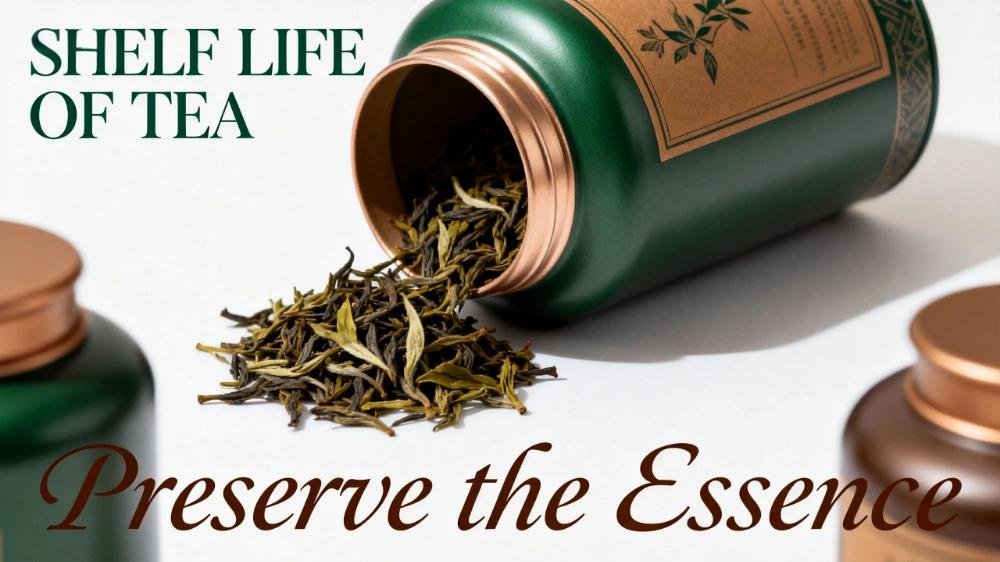
Tea is a beloved beverage enjoyed across the globe for its variety, flavor, and health benefits. But if you’ve ever found an old box of tea in your cupboard, you might wonder: does tea expire? This question is essential for tea enthusiasts and casual drinkers alike.
In this article, we’ll explore what it means for tea to “expire,” the factors that affect its shelf life, how to tell if your tea is still good, and best practices for storing your favorite blends.
Table of Contents
What Does It Mean When We Ask “Does Tea Expire”?
When people ask, “does tea expire,” they are usually wondering if tea goes bad, loses flavor, or becomes unsafe to drink after a certain period. Unlike perishable foods, tea does not spoil in the traditional sense when stored properly. However, tea leaves are organic and will gradually lose their freshness, flavor, and aroma over time.
Most types of tea—black, green, white, oolong, and herbal—do not have a strict expiration date but rather a “best by” or “best before” date, which is a guideline for optimal taste and quality. While “expired” tea generally won’t make you sick, the drinking experience may be less enjoyable as the delicate notes and beneficial compounds fade.
Factors That Affect Tea’s Shelf Life
Several factors influence how long your tea will stay fresh and flavorful. Understanding these can help you maximize the life of your tea collection.
Type of Tea
- Black Tea: More oxidized, black tea is among the longest-lasting, often staying fresh for up to 2-3 years.
- Green Tea: Less oxidized, green tea generally keeps its flavor for about 6 months to 1 year.
- White and Oolong Tea: These fall somewhere in between, usually fresh for 1-2 years.
- Herbal Tea: These blends can last 1-2 years, depending on the herbs and flowers used.
- Pu-erh and Aged Teas: Some teas are actually meant to age, developing complexity over years or decades!
Packaging
Tea stored in sealed, airtight packaging will last longer than tea exposed to air. Original packaging often offers some protection, but transferring loose tea to an airtight container can extend its life.
Storage Conditions
- Air: Oxygen causes tea to lose flavor and aroma faster.
- Light: Sunlight and even artificial light can degrade tea leaves.
- Heat: High temperatures speed up oxidation and staleness.
- Moisture: Tea absorbs moisture easily, which can cause mold or a musty smell.
How to Tell If Tea Has Expired
Even though tea doesn’t “expire” in the usual sense, it can lose its desirable qualities. Here’s how to check your tea:
Smell
Fresh tea has a distinct and pleasant aroma. If your tea smells dull, stale, musty, or simply lacks fragrance, it may be past its prime.
Appearance
Old tea may lose its vibrant color and look faded or dusty, while some herbal teas might develop spots or clump together.
Taste
Brew a cup. Expired or old tea often tastes bland, flat, or even slightly sour. If the tea tastes off or not as you remember, it’s likely past its best.
Texture
If your tea feels damp, sticky, or has visible signs of mold, it should be discarded immediately.
How to Store Tea for Maximum Freshness
Proper storage is key to preserving both the shelf life and quality of your tea:
- Keep it airtight: Store tea in airtight tins or jars to limit exposure to air and moisture.
- Avoid sunlight: Store tea in a dark cupboard or drawer.
- Maintain a cool, dry space: Avoid storing tea near stoves, ovens, or humid areas.
- Separate strong scents: Tea can absorb odors easily, so keep it away from spices or strongly scented foods.
Following these tips will help extend the life of your teas and ensure each brew is fresh and flavorful.
Can You Drink Expired Tea?
In most cases, tea that’s past its best-by date is safe to drink but may not taste as rich or aromatic as fresh tea. The main risks come from improper storage, which can lead to mold or contamination. If your tea looks or smells off, or you spot mold, it’s best to discard it.
For truly exceptional tea experiences, especially for celebrated green, white, or artisan blends, freshness is vital. Long-stored or “expired” teas are better used for composting or natural cleaning solutions.
Conclusion & Our Recommendation
When asked, does tea expire, the answer is that tea doesn’t truly “expire,” but it does lose quality and freshness over time. By storing your teas correctly and enjoying them within their optimal period, you can savor the best flavors and aromas that tea has to offer.
To make every cup a true ritual, choose the right teaware. At DRTEATIME, we curate authentic, artisan teaware from across the globe, making your daily tea or coffee not just a drink, but a journey of discovery and beauty. More than a teapot or coffee pot, it’s a passport to the world’s tea and coffee cultures. Every cup tells a story. Start yours.